1. Stay hydrated.
Drinking enough water helps support joint lubrication, regulate body temperature and blood pressure, and promote proper muscle function and recovery. Hydration needs may vary depending on weather, activity level, and individual hydration status.
2. Replenish electrolytes.
Electrolytes like sodium, potassium, and magnesium help maintain fluid balance, support muscle function, and prevent cramps and dizziness. You can replenish them by pairing water with an electrolyte drink or powder mix to replace what’s lost through sweat.
3. Refuel with nutritious foods.
Eat a balanced meal that includes lean protein and complex carbohydrates within 30 minutes to 2 hours. This helps support muscle recovery, replenish energy stores, and reduce post-exercise inflammation.
4. Vary your workouts.
Cross-training helps reduce the risk of overuse injuries by working different muscle groups. Low-impact activities like yoga, swimming, cycling, or even brisk walking can aid recovery. Schedule 1-2 rest days each week to allow your muscles and joints time to heal and rebuild.
5. Warm up before your run.
A proper warm-up increases blood flow and oxygen delivery to your muscles, preparing your body for exercise. Spend 5-10 minutes on light movements such as brisk walking, ankle rolls, high-knee marches, hip rotations, jumping jacks, or toe touches before running.
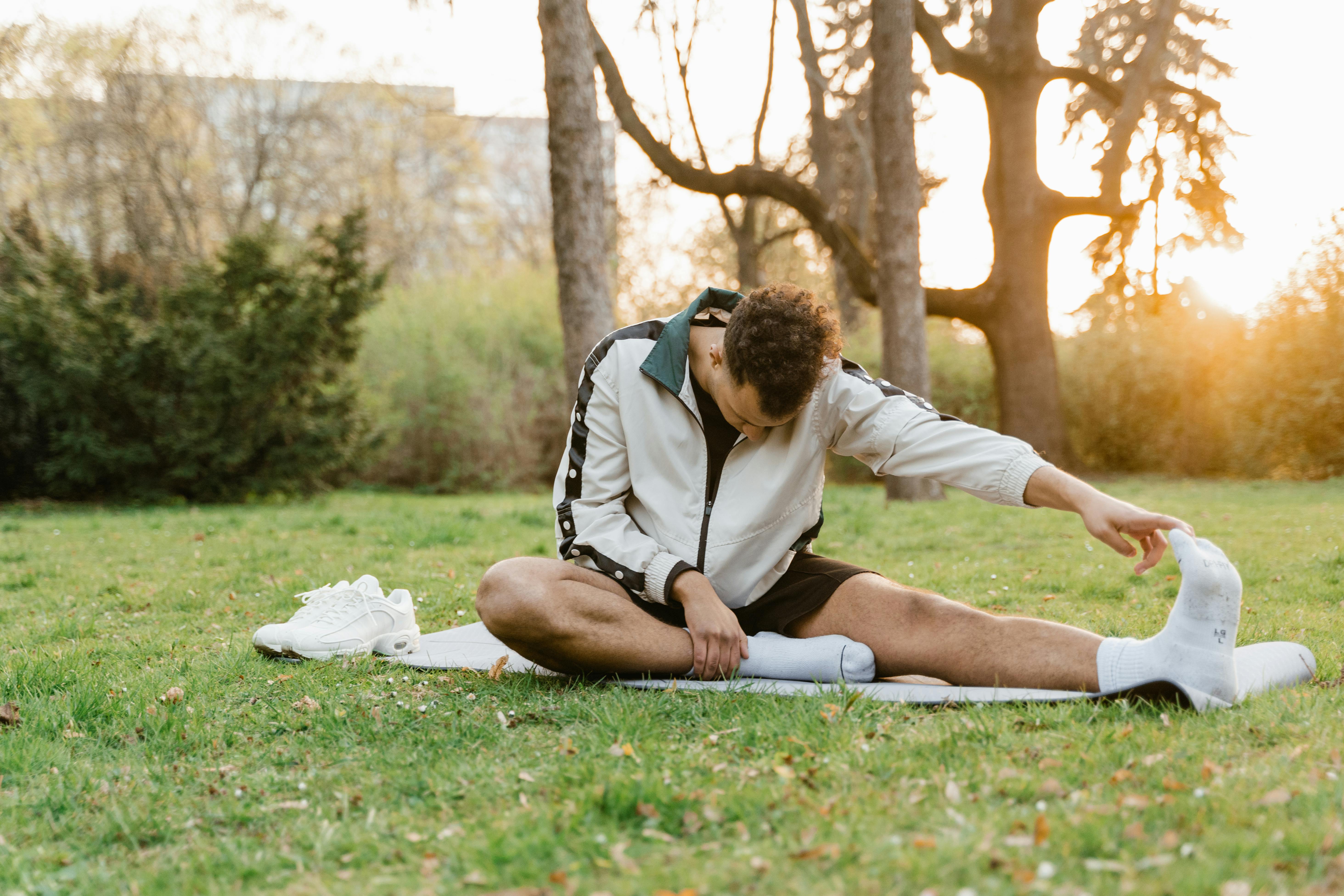
6. Cool down and stretch after your run.
Taking time to cool down helps support muscle recovery, maintain joint mobility, and improve flexibility. Spend 5-10 minutes walking briskly or jogging slowly to gradually bring your heart rate down, followed by gentle static stretches to help relax your muscles.
7. Foam roll or massage.
This helps improve blood flow and ease muscle tightness, especially in the quads, calves, and hamstrings. You can do it at home with a foam roller or opt for a licensed massage therapist to support recovery and reduce soreness.
8. Prioritize quality sleep.
Getting enough sleep allows the body to repair and rebuild muscles. Aim for 8-9 hours of quality sleep each night, especially during regular training periods, to support performance, recovery, and overall well-being.
9. Consider cold therapy for recovery.
Cold water immersion may help reduce inflammation, ease muscle soreness, and lower body temperature. If you are considering ice baths or other forms of cold therapy, consult your doctor first especially if you have any existing medical conditions or health concerns.

 Store locator
 ORDER ONLINE
 Drug Information
